Why Copper Pipes Develop Pinhole Leaks in Turlock Homes
Copper tubing was long heralded as the gold standard of residential plumbing due to its durability, fire resistance, and bacteriostatic properties. However, in Turlock and throughout the agricultural corridors of Stanislaus County, thousands of homeowners are discovering that copper has an insidious vulnerability: microscopic pinhole leaks. A pinhole leak is a tiny perforation—often no larger than the point of a sewing needle—that breaches the copper tube wall from the inside out.
While individual pinholes release only a delicate stream or continuous weeping mist of water, their concealed nature allows them to discharge gallons of water unnoticed behind walls or beneath concrete slabs. When this happens under a foundation, it becomes an active water leak requiring specialized slab leak repair in Turlock. Understanding what triggers copper pinhole leak Turlock issues is the first step toward breaking the frustrating cycle of recurring leaks.
Microscopic pinholes spray pressurized water behind walls and under foundations. Connect directly with our copper pipe specialists today.
Call (888) 205-7875The Chemistry Behind Copper Pitting and Pinhole Failures
Pinhole perforations are rarely random manufacturing flaws; they are the consequence of complex chemical, physical, and hydraulic interactions:
- Aggressive Water Chemistry & High pH: Municipal groundwater sources in the Central Valley often carry elevated dissolved mineral counts, high alkalinity, and chemical disinfectants. In certain concentrations, these elements disrupt the protective cuprous oxide film that naturally forms inside copper pipes, triggering localized pitting corrosion.
- Water Velocity & Hydraulic Turbulence: When pipes are undersized for the home's flow demands or when original installers left reamed burrs inside cut tube ends, high-velocity water creates persistent eddy currents. This physical turbulence erodes the copper wall at directional bends and elbows.
- Dissimilar Metal Contact (Galvanic Action): Copper pipes placed in direct contact with steel brackets, iron rebar, or corrosive soil minerals without non-conductive dielectric isolation suffer from electrochemical degradation.
- Aged Type M Copper Tubing: Residential subdivisions constructed between 1965 and 1995 frequently utilized thinner Type M copper tubing to reduce building costs. With thinner initial wall dimensions, Type M pipes succumb to pitting corrosion decades sooner than heavy-duty Type L copper.
Identifying Symptoms in Walls and Under Foundations
Because pinhole leaks start as tiny perforations, their symptoms often mimic harmless seasonal changes before extensive water damage becomes obvious:
A crusty turquoise or blue-green mineral buildup on visible copper pipes beneath bathroom vanities or near water heater valves indicates a slow, weeping leak.
A faint hissing sound inside wall cavities or beneath floors when all taps and appliances are shut off.
Drywall paint bubbling or baseboards separating from framing due to continuous moisture absorption from a pinhole spray.
Persistent mildew scents in laundry closets, hallways, or ground-floor rooms without any obvious surface standing water.
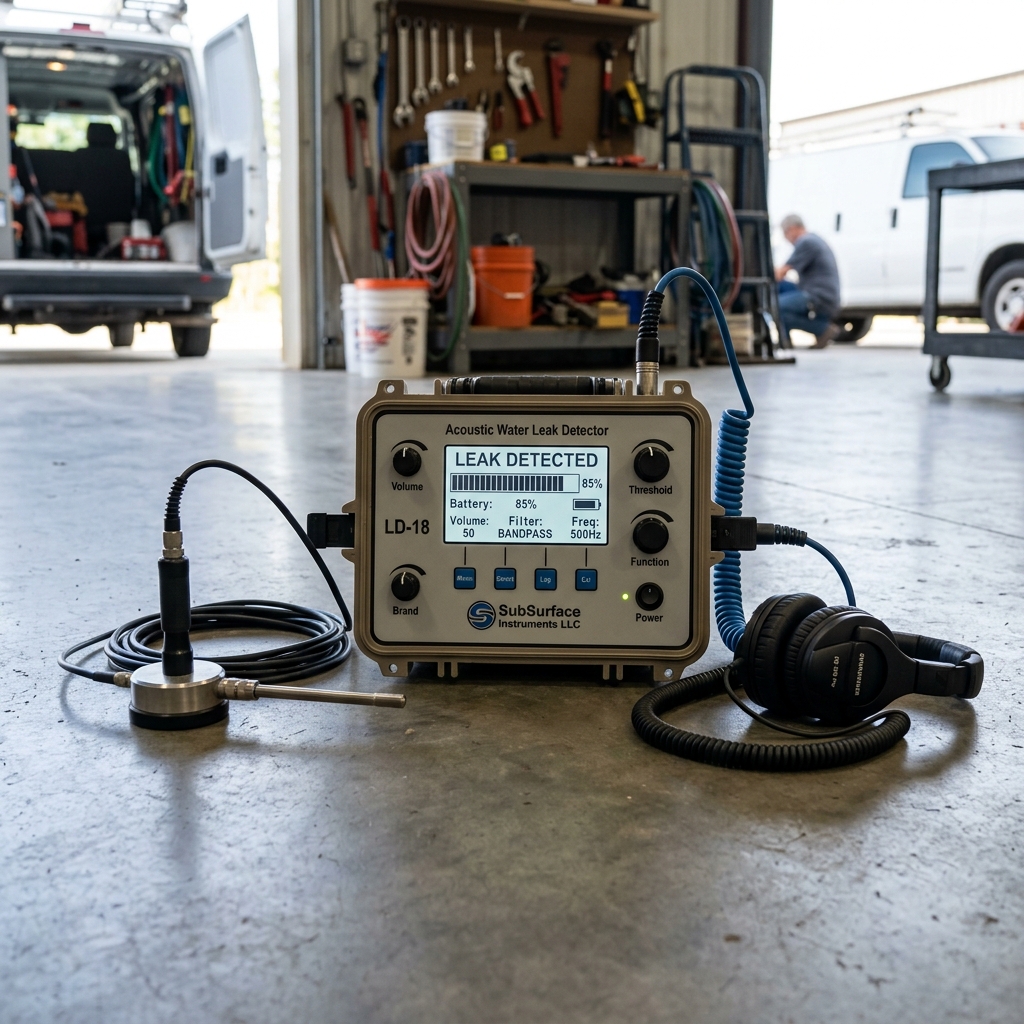
Early acoustic location prevents extensive mold growth and structural framing rot. Speak with a local diagnostic technician today.
Call (888) 205-7875Repair Options: Spot Solder vs. Section Replacement vs. Repiping
When addressing pinhole leaks, our plumbers evaluate the physical health of your surrounding copper piping to deliver honest, cost-effective solutions:
-
1
Targeted Copper Spot Repair
Suitable when a pinhole results from an isolated mechanical rub against a framing bracket and the surrounding copper wall is thick and sound. The damaged inch of tubing is excised and replaced with a brazed copper coupling.
-
2
Sectional Pipe Replacement
When pitting is localized to a specific high-velocity branch or water heater loop, that entire section of copper is removed and replaced with resilient PEX or heavy-gauge Type L copper.
-
3
Overhead Reroute or Whole-House Repipe
If a home suffers from repeat pinhole leaks Turlock, soldering isolated patches is a temporary band-aid. The heat from soldering torches can even stress weakened adjacent copper, triggering new pinholes within weeks. In these cases, executing an overhead pipe reroute or complete whole-house repipe using modern PEX eliminates copper pitting risk permanently.
Related Plumbing System Solutions
Explore related leak diagnostic and repair options across Stanislaus County:
- Slab Leak Detection: Non-invasive electro-acoustic location for pinholes under concrete.
- Hot Water Slab Leak Repair: Pinpointing thermal line failures that accelerate copper wear.
- Slab Leak Reroutes: Bypassing failing copper branches through attic spaces.
- Slab Leak Insurance Help: Documenting copper failure evidence for carrier claims.
Contact our Turlock team today to evaluate your copper pipe integrity and discuss lasting repair solutions.
Call for Consultation: (888) 205-7875